Petrochemical Companies in the UAE: Who Supplies Industrial Buyers and How
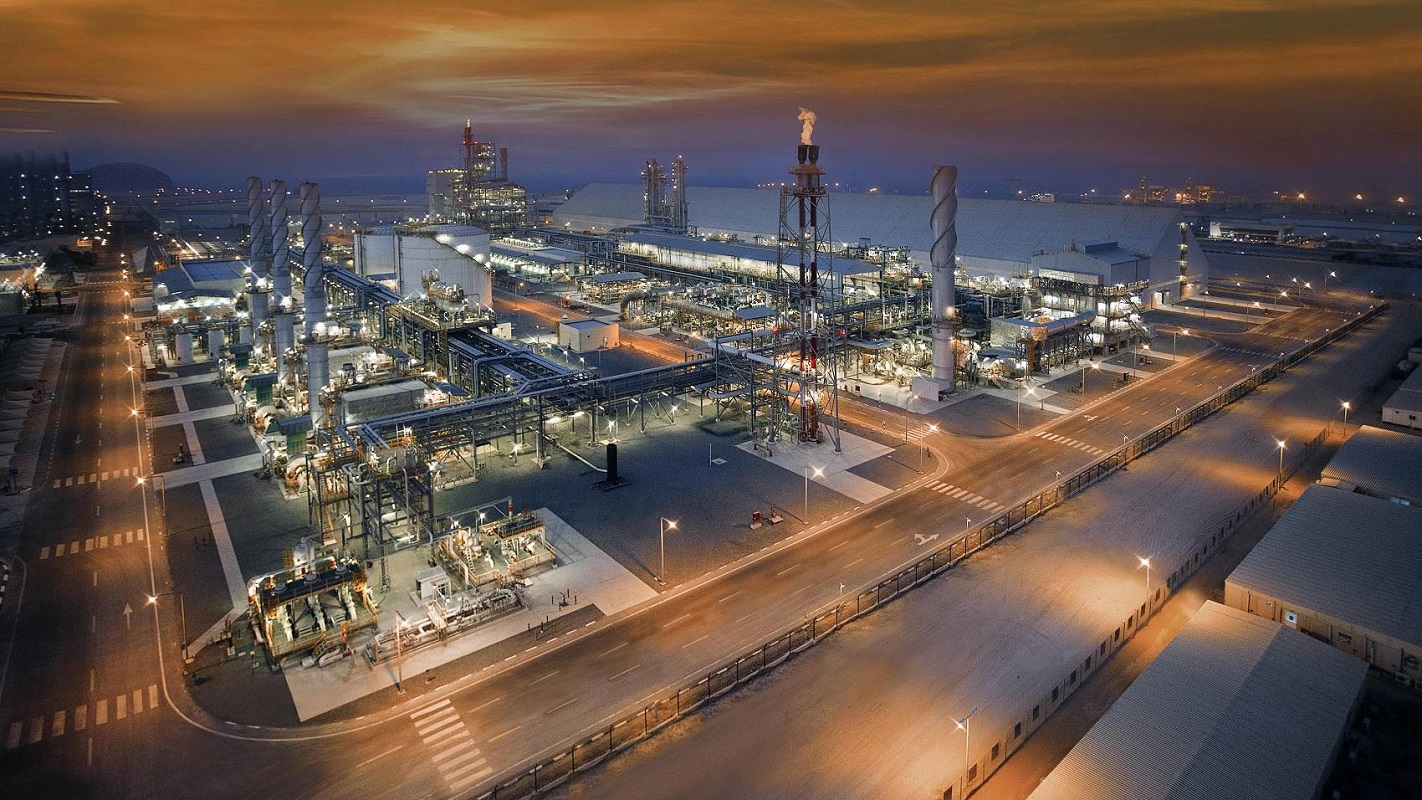
The UAE has built one of the most concentrated petrochemical bases in the Middle East, anchored by large state-linked producers and a growing network of downstream manufacturers and distributors. For an industrial buyer, though, the sector can be hard to read. The names that dominate the headlines are feedstock and polymer producers operating at national scale, while the companies that supply a factory with the specialty chemicals it needs day to day sit further down the chain. This guide maps the UAE petrochemical sector at industry level, explains how feedstock becomes a finished industrial product, and shows where a specialty chemicals distributor like Kemipex fits into the picture.
The UAE petrochemical sector at a glance
Petrochemicals are one of the pillars of the UAE industrial economy. Across the Gulf, the chemical and petrochemical industry is the second largest manufacturing sector in the region and produces more than USD 80 billion of output a year, according to the Gulf Petrochemicals and Chemicals Association, which represents companies accounting for over 95 percent of chemical output in the Arabian Gulf. The UAE is a core part of that base.
Government policy has reinforced the trend. Under Operation 300bn, the Ministry of Industry and Advanced Technology aims to raise the industrial sector's contribution to GDP from around AED 133 billion to AED 300 billion by 2031, with chemicals, rubber, and plastics named among the priority sectors. That means more local production of petrochemical derivatives, and more industrial buyers who need reliable access to those materials.
Much of this activity is concentrated at Ruwais Industrial City in Abu Dhabi, which functions as an integrated hub where feedstock supply, base-chemical production, and future derivatives capacity sit side by side. That concentration matters for buyers, because it means feedstock and polymer supply within the country is relatively secure and is set to grow rather than shrink over the coming years.
When people search for petrochemical companies in the UAE, they are usually looking at two very different groups. The first is the large producers that convert hydrocarbon feedstock into base chemicals and polymers. The second is the downstream layer of manufacturers, formulators, and distributors that turn those base materials into usable industrial products. Understanding the difference is the key to sourcing well.
How petrochemical feedstock becomes an industrial product
It helps to picture the chain in three stages. At the top, upstream operations produce hydrocarbon feedstock such as natural gas liquids and naphtha. In the middle, producers convert that feedstock into base chemicals and polymers, for example polyethylene, polypropylene, methanol, and PVC. At the bottom, a large and varied group of formulators, compounders, and distributors turn those base materials into the specific products an industrial buyer actually orders.
Most industrial buyers operate at that third stage. A lubricant blender does not buy a shipload of base feedstock. It buys defined lubricant additive packages in the grades and quantities it needs. A plastics compounder does not negotiate directly with a national polymer plant for a pallet of stabilisers. It sources plastic additives from a distributor who holds stock, understands the specification, and can deliver on a manufacturing schedule. This downstream layer is where specialty chemicals live, and it is where sourcing decisions are made every week.
How industrial buyers source specialty chemicals in practice
The large producers are built around volume. Their commercial models favour long-term offtake agreements and bulk contracts measured in thousands of tonnes. That works for other large manufacturers, but it does not fit the reality of most industrial buyers, who need smaller and more varied quantities, a range of grades, and technical guidance on which product suits their process.
This is why specialty chemical distributors exist. A distributor aggregates demand across many buyers, holds inventory locally, breaks bulk into workable quantities, and manages the documentation, storage, and logistics that regulated chemicals require. Just as important, a good distributor offers technical support. It helps a buyer match a product to an application, troubleshoot a formulation, and stay compliant with UAE import and handling rules. For a procurement team, the practical question is rarely can I reach a producer. It is who can supply the right grade, in the right volume, on time, with the right paperwork.
Compliance is a large part of what that layer handles. Chemicals imported into and moved around the UAE must meet labelling, safety data, and storage requirements, and hazardous materials carry additional handling and transport rules. A distributor that manages this correctly removes a significant burden from the buyer, who would otherwise need in-house expertise in chemical regulation, customs classification, and safe storage. This is one of the quieter reasons industrial buyers work through distributors rather than importing base materials themselves.
Where Kemipex fits in the downstream distribution layer
Kemipex is a specialty chemicals distributor that operates in the downstream layer described above. It connects the base chemicals and derivatives that come out of the UAE and wider regional petrochemical base with the industrial buyers who use them.
In practice that means supplying additive and specialty chemical ranges built on petrochemical feedstocks. On the lubricants side, Kemipex supplies lubricant additives used by blenders and manufacturers to formulate finished oils and greases. For polymer processors, it supplies plastic additives such as stabilisers and processing aids. For the rubber industry, it supplies rubber additives used in compounding and vulcanisation. Each of these product families sits downstream of the base chemicals the major producers make, which is exactly the role a distributor is meant to play.
The value here is not scale of production. It is access, availability, and service. A buyer working with Kemipex is buying into a supply layer that holds regional stock, understands the specifications, and can deliver defined quantities to an industrial schedule rather than a national offtake contract.
Choosing a specialty chemical supplier in the UAE
For an industrial buyer, the useful way to read the UAE petrochemical sector is by layer rather than by brand. The large producers set the base. They determine feedstock availability, polymer supply, and long-run pricing direction. The downstream distributors determine whether a specific factory can get the specific grade it needs this month. Both matter, but they solve different problems.
When assessing a specialty chemicals supplier, industrial buyers should look at the breadth of the product range, the depth and location of stock, the quality of technical support, and the supplier's ability to handle compliant storage, documentation, and delivery. A supplier that covers several additive families across lubricants, plastics, and rubber can also simplify procurement by reducing the number of vendors a buyer has to manage.
The petrochemical companies in the UAE that make headlines are the producers building world-scale capacity at Ruwais. The companies that keep a factory running week to week are usually the distributors who sit downstream of them. Kemipex operates in that second group, supplying specialty chemicals derived from petrochemical feedstocks to industrial buyers across the UAE. To discuss a specific requirement across lubricant, plastic, or rubber additives, contact the Kemipex team.
Frequently asked questions
Is Kemipex a petrochemical company?
Kemipex is a specialty chemicals supplier, providing additives, raw materials and tailor-made formulations, many derived from petrochemical feedstocks, to industrial and consumer brands across lubricants, paints and coatings, plastics, rubber and petrochemicals.
How do industrial buyers source specialty chemicals in the UAE?
Most buy through specialty distributors rather than directly from producers. Distributors hold local stock, supply workable quantities and specific grades, provide technical support, and handle the compliance and logistics that regulated chemicals require. This lets a factory order what it needs on its own schedule.
How does Kemipex source the specialty chemicals it supplies?
Kemipex works with leading international manufacturers, it holds stock in warehouses across the globe. From there it supplies raw materials, additives and tailor-made formulations in workable quantities to industrial and consumer brands across lubricants, paints and coatings, plastics, rubber and petrochemicals.
Write a comment