Base Oil Suppliers in the UAE: How Blenders Source Paraffinic, Naphthenic and Synthetic Stocks
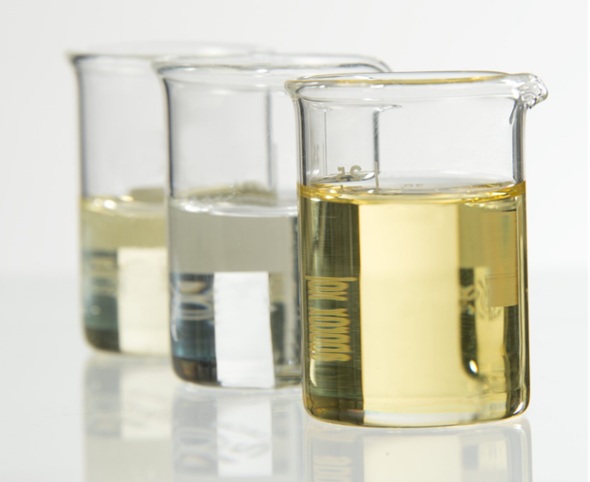
Base oil reaches UAE blending plants from two directions. Most is imported from refiners in the United States, Europe, and Asia, and a smaller share is produced domestically in the UAE. In both cases, the material usually arrives at the plant through a distributor holding regional stock rather than directly from the refiner. Which route applies depends on one decision made before any of it: the base oil category and group your formulation calls for. This guide covers the three categories a UAE blender buys, meaning paraffinic, naphthenic and synthetic, setting out for each what you are purchasing, where it gets specified, and what changes when you source it into the UAE.
- The API 1509 group system decides who can quote on your enquiry and on what lead time, so fix the group before anything else.
- Paraffinic stocks covering Groups I, II and III are what most UAE blenders buy. Naphthenic covers transformer and process applications. Synthetic covers PAO, PAG and esters.
- Most plants buy through a distributor, because refinery parcel sizes and contract terms rarely fit a blending schedule.
The API base oil groups and what they decide
Every base oil enquiry starts with a group number, because the group rather than the brand decides who can supply you. API 1509 Annex E sets five categories using three measurements, which are saturates content, sulfur content and viscosity index.
Group I is under 90 percent saturates, over 0.03 percent sulfur, with a viscosity index between 80 and 120. Group II is at least 90 percent saturates, under 0.03 percent sulfur, with a viscosity index between 80 and 120. Group III meets the same saturates and sulfur limits as Group II but carries a viscosity index above 120. Group IV is polyalphaolefin. Group V covers everything else, including esters and polyalkylene glycols.
For a procurement team the practical reading is narrower than the chemistry. Group I production is contracting worldwide, so a Group I enquiry now goes to a shrinking list of refiners. Group III supply in particular sits with a small number of refiners in Korea, the Middle East and Southeast Asia. Groups IV and V are manufactured chemical products rather than refinery streams, which changes the pricing, the parcel size and the lead time.
Paraffinic base oils: Groups I, II and III
What paraffinic base oil is at procurement level
Paraffinic base oil is the refined mineral stock that makes up most of the lubricant market, covering Groups I, II and III. At procurement level the difference between them is severity of processing. Group I comes from solvent refining, Group II from hydroprocessing that strips out more sulfur and aromatics, and Group III from severe hydroprocessing or hydroisomerisation that lifts the viscosity index above 120.
Group III is widely marketed as synthetic in finished lubricant branding, but it remains a mineral stock in origin. That matters on a purchase order, because a specification calling for a synthetic base fluid may or may not accept a Group III, and the answer sits with whoever wrote the specification.
Where paraffinic stocks are specified
Group I still holds a place in industrial oils, greases, metalworking fluids and some marine applications, where its solvency and aromatic content are useful rather than a problem. Group II is the working stock for most modern engine oils, hydraulic fluids and industrial lubricants, and where a blender lands unless the specification pushes higher.
Group III is specified where volatility and viscosity index limits are tight, which in practice means low viscosity passenger car engine oils meeting current API and ACEA sequences. As those sequences tighten, formulations that once ran on Group II move to Group III or a blend of the two.
UAE sourcing considerations for paraffinic stocks
The UAE is the one Gulf market with domestic base oil production. A local refiner produces a Group II and Group III base oil range, with lighter grades (2 and 3 centistoke) classified Group II and heavier grades (4, 6 and 8 centistoke) classified Group III, at around 100,000 tonnes of Group II and 500,000 tonnes of Group III a year. That gives a blender a local option with no import leg, which shows up first in lead time and freight exposure.
Everything else arrives by sea, landing at Jebel Ali and moving into free zone or bonded storage before it reaches a plant. The questions at that point are parcel size, storage arrangement and whether the material comes in bulk, flexitank or drums.
Naphthenic base oils
What naphthenic base oil is at procurement level
Naphthenic base oil is a mineral stock refined from crude with a naphthenic rather than a paraffinic composition. What a buyer is purchasing is a low pour point and high solvency achieved without pour point depressants. These stocks stay fluid at low temperature and dissolve additives, dyes and polymers that paraffinic stocks struggle with.
In commercial practice they sit outside the API group numbering, specified by viscosity and by the properties the application needs rather than by a group number.
UAE sourcing considerations for naphthenic stocks
The Gulf has no naphthenic base oil production of its own. All of it comes in as imports, travelling further than the Group II and Group III paraffinic material sourced from Korea or elsewhere in the region.
Shipment sizes tend to be smaller, and that changes the cost picture. A blender buying naphthenic oil for transformer or process oil applications typically works with drums or smaller bulk quantities rather than full cargo parcels — which is exactly where having stock on hand locally makes the biggest difference to timing.
Synthetic base stocks: PAO, PAG and esters
What synthetic base stocks are at procurement level
Synthetic base stocks are manufactured fluids rather than refined crude fractions, which is why they price and behave differently as a purchase. Polyalphaolefin is API Group IV. Polyalkylene glycols and esters fall into Group V.
PAO carries a high viscosity index with low volatility and holds its properties across a wide temperature range. Our guide to polyalphaolefin properties and uses covers that in detail. At procurement level the point is simpler, which is that a synthetic stock typically costs several times a Group II equivalent, so it enters a formulation because a specification requires it.
Where synthetic stocks are specified
PAO is specified where a mineral stock cannot hold the temperature range, covering low viscosity engine oils, extended drain gear oils, compressor oils and greases for severe service. Esters are specified where solvency, biodegradability or high temperature stability is the requirement, and they often appear alongside PAO rather than instead of it. Polyalkylene glycols go into compressor oils, gear oils and metalworking fluids where solubility behaviour or fire resistance is the deciding property.
UAE sourcing considerations for synthetic stocks
The UAE has little to no synthetic base stock production of its own, so nearly all of it is imported, and the volumes moving through the region are small next to paraffinic tonnage.
Two things follow. Lead times are shaped as much by producer allocation as by shipping, since PAO capacity is tight worldwide. Minimum order quantities can also sit above what a single blending run needs, which is why plants usually buy synthetic stock through a regional supplier like Kemipex.
How UAE blenders actually buy base oil
Most blending plants in the UAE do not buy from refiners. They buy from the distribution layer, in grades and quantities that match a production schedule.
The reason is structural. Refiners sell in parcel sizes and on contract terms built around large offtake, and a plant blending a few hundred tonnes a month across several grades cannot use that. A distributor breaks the parcel, holds it locally and supplies against a shorter lead time.
Jebel Ali is where most of that stock sits. Free zone and bonded storage lets material arrive, wait, then move to a plant or re-export without clearing into the local market first, which is what makes the UAE workable for buyers outside it as well. It is also where most of the chemical suppliers in Dubai hold their regional inventory.
A base oil enquiry needs the group or category, the viscosity, the pack format, the certificate of analysis, and the safety data sheet settled before price enters the conversation, because a quote against an unclear specification isn't comparable to anything. For what goes into the oil once the base stock is sourced, see the additive packages that blend into base oils.
Where Kemipex sits in UAE base oil supply
Kemipex operates from Dubai as a specialty chemical supplier, with warehousing in Jebel Ali Free Zone and customers worldwide. We do not refine or produce base oil. We operate at the distribution layer described above, which means holding regional stock, managing the import and clearance route, and supplying plants with a lead time a production schedule can use.
Our established position in the lubricant market is on the additive side. We supply lubricant additives, including viscosity index improvers, individual additive components, and fully formulated additive packages for passenger car, heavy duty, gear, and industrial applications. These are products that blend into a base oil a plant has already sourced.
If you are specifying a base oil for a blend and want the group, grade, pack format and realistic lead time checked against what is actually available in the region, talk to the Kemipex team in Dubai.
Frequently asked questions
What is the difference between Group I, Group II and Group III base oils?
API 1509 separates them on three measurements. Group I has under 90 percent saturates, over 0.03 percent sulfur, viscosity index 80 to 120. Group II has at least 90 percent saturates, under 0.03 percent sulfur, and a viscosity index of 80 to 120. Group III meets the same limits with a viscosity index above 120.
What is naphthenic base oil used for?
Transformer oils, process oils in rubber and adhesives, metalworking fluids, low temperature greases and refrigeration compressor oils. Naphthenic stocks are chosen for low pour point and high solvency, which they achieve without pour point depressants. They specify them by viscosity and application properties rather than an API group number.
Where do UAE lubricant blenders buy base oil?
Mostly through regional distributors holding stock in or near Jebel Ali, rather than direct from refiners. Refiners sell on parcel sizes and contract terms built for large offtake, which rarely suits a plant blending several grades a month. A distributor breaks the parcel and supplies on a shorter lead time.
Do API and ACEA specifications dictate which base oil group I can use?
Not directly. They set performance and volatility limits on the finished oil, and those limits constrain which base oils can meet them. In practice, tight volatility and viscosity index requirements rule out lower groups, but the specification names the performance target rather than the group.
What is the difference between a base oil and an additive package?
Base oil is the liquid the lubricant is built from and forms most of the finished volume. The additive package is the blended set of functional components dosed into it at a defined treat rate. A blender sources them separately and combines them to meet a service specification.
Write a comment